Why Long-Term Thinking Still Wins Real Estate Investments
Why Kudelski & Partners believes long-term thinking, quality assets and disciplined ownership remain the foundation of sustainable real estate investment.
Real estate is usually discussed as a timing problem. When to buy, when to sell, where the market goes next. Those questions matter, but they rarely decide whether an investment holds its value. That gets settled earlier, and more quietly, by owning the right asset, in the right place, for long enough to let it work.
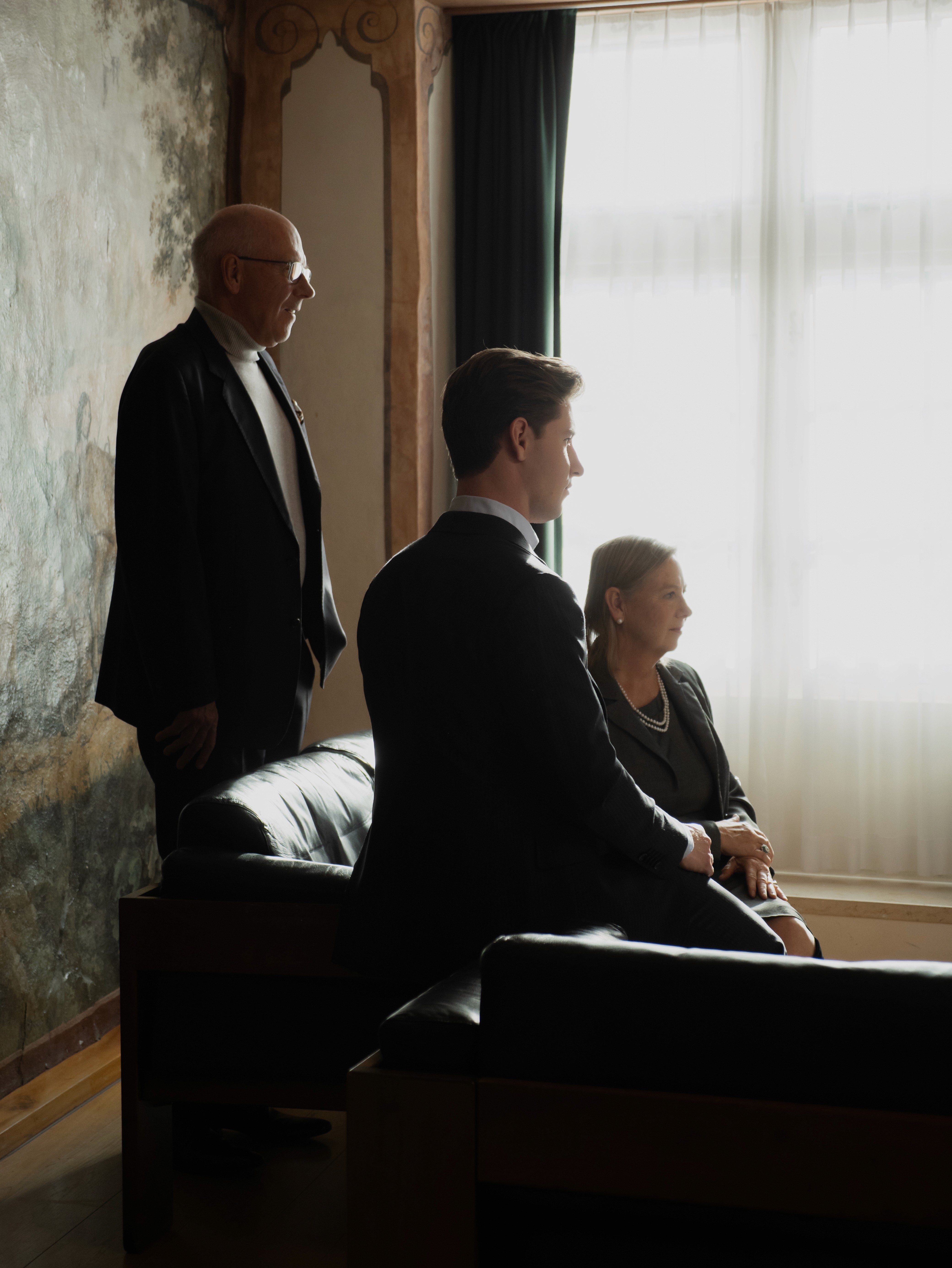
As a family office, we invest with the next generation in mind, and that changes the question itself. It is no longer what a property is worth next year, but what it will still be worth in twenty. Our approach rests on three things: long-term thinking, quality assets, and disciplined ownership. Underneath all three sits one advantage that is easy to overlook and hard to copy: patience.
Markets move fast. Real estate doesn’t.
Interest rates, prices and sentiment shift from one quarter to the next, and each shift creates pressure to act. Real estate works on a slower clock. A building takes years to plan and build. A neighbourhood takes decades to change. The value of a good location is shaped by things that move slowly: infrastructure, demand, the quality of the place itself. Through the lens of the news cycle, real estate looks volatile. Over twenty years, it answers to fundamentals, not headlines.
Long-term thinking
Short-term investing tries to time the market. Long-term investing doesn’t have to. When you plan to hold a property for decades, a bad year is a moment, not a verdict.
That buys us room to make better decisions. We can wait for the right location instead of the available one, build properly instead of quickly, and ignore the noise that pushes others to act. It also changes how we judge a project. The question is not how fast it pays back, but whether it will still be the right asset a generation from now.Quality assets
Time is honest. It exposes cheap materials, weak locations and poor design, and it rewards the opposite.
So we hold fewer, better properties. Good locations, solid construction, design that will still make sense in thirty years. A quality asset costs more at the start and less over its life, and that is the trade we choose. Quality is also what makes patience possible. A weak asset forces your hand with repairs, discounts, an early sale. A strong one lets you wait.Disciplined ownership
Buying well is only the start. Value is kept or lost in how a property is owned.
So we stay involved. We maintain before things break, invest when it is needed, and never take on more debt than the asset can carry. That last point matters more than it sounds: most money lost in real estate is lost by owners who have to sell at the wrong moment, not by owners who bought the wrong thing. Keep the leverage sensible and a downturn becomes something you wait out rather than something that forces your hand. Discipline is rarely exciting. It is what keeps a good investment good, and it usually means saying no: to deals that only work in a rising market, to shortcuts that save money today and cost more later, and to growth for its own sake.
Why patience is undervalued
Patience is hard to sell. It makes no headlines and rarely looks impressive in a single year, which is exactly why it stays one of the most underpriced advantages in real estate. Most investors work under pressure to show results quickly, with set holding periods and a planned exit. A family office answers to the next generation, not the next quarter. That lets us hold through cycles, wait for the right opportunity, and let value build on its own terms.
A simple standard
None of this is new. It is how families have built lasting wealth for generations. Think long term, buy quality, own it with discipline, and give it time. Real estate value is built over time, not timed. Simple to say, harder to do, and still what works.